If you are a startup founder, a small business owner, or a project manager, you might feel overwhelmed. Should you hire a freelancer or an agency? How much should it cost? How do you know if their code is good?
You are not alone. "How to hire a web developer" is one of the most searched queries by business leaders today. This guide will cut through the noise. We will walk you through a step-by-step process to hiring the right web talent without wasting your budget.
Step 1: Define Your Project Scope (Be Specific)
Before you post a job ad, you must know exactly what you are building. "I need a website" is too vague. Good developers need a roadmap.
Ask yourself these three questions:
-
What is the goal? (e.g., selling products, generating leads, or just displaying information?)
-
What features do I need? (e.g., payment gateways, user login, booking systems, or a blog?)
-
What is my timeline? (Do you need it in 2 weeks or 2 months?)
Pro Tip: Create a simple "Scope of Work" document. This doesn't need to be technical. Just list your "Must-Haves" and "Nice-to-Haves." This filters out candidates who can't deliver what you actually need.
Step 2: Choose Your Tech Stack (Or Ask for Advice)
You don't need to be a coder, but you should know the basics. The "Tech Stack" is the set of tools used to build your site.
-
For Content Sites (Blogs/Portfolios): WordPress is often king.
-
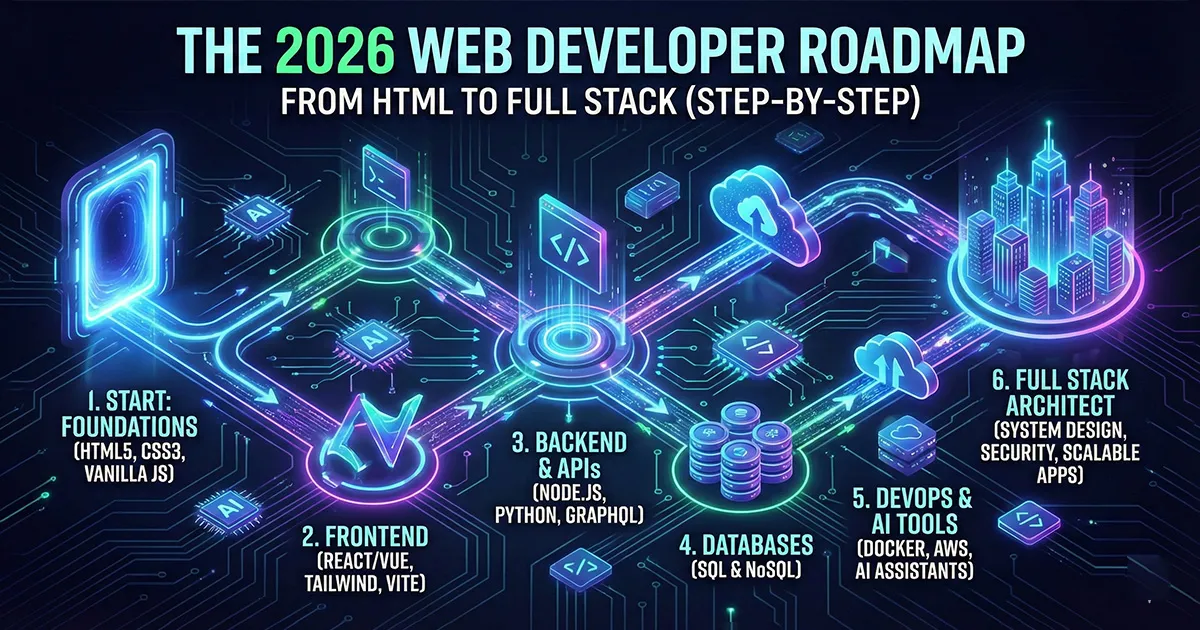
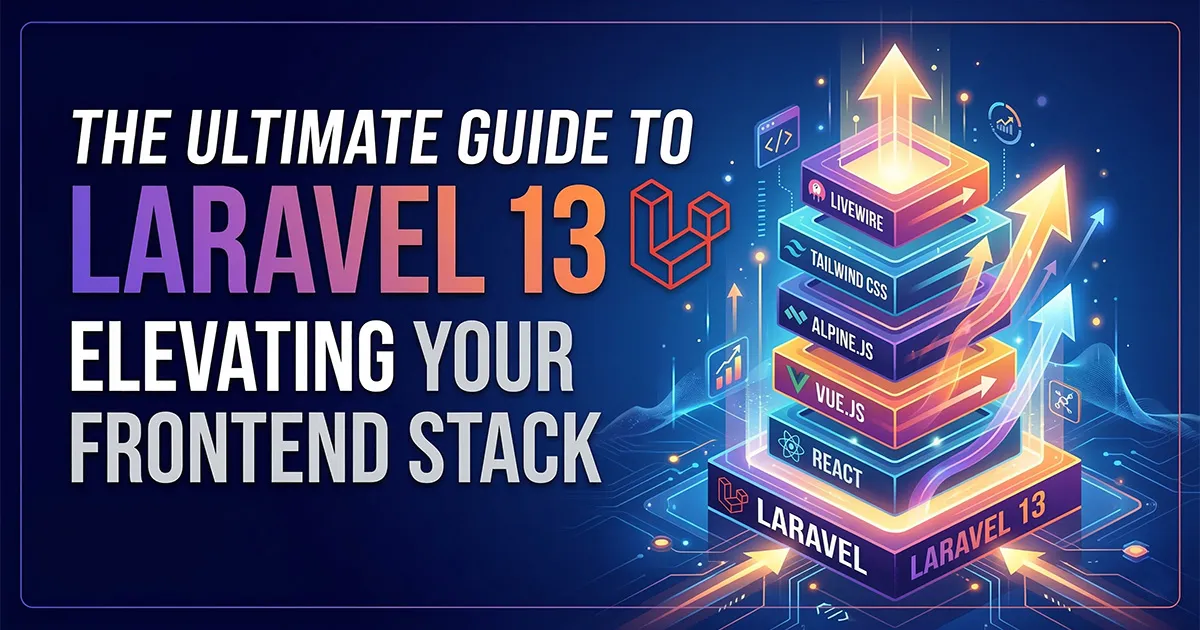
For Custom Web Apps (SaaS/Dashboards): You likely need React.js, Next.js, or Vue.js for the frontend and Laravel (PHP), Node.js, or Python for the backend.
-
For E-commerce: Shopify or WooCommerce are standard, but custom solutions often use Magento or Laravel.
If you don't know which one to pick, put that in your job description: "Looking for advice on the best tech stack for a scalable marketplace." A good developer will guide you.
Step 3: Freelancer vs. Agency – Which is Better?
This is the biggest decision you will make. Both have pros and cons depending on your budget and needs.
1. Hiring a Freelance Web Developer
-
Best for: Startups, small businesses, specific tasks, and tight budgets.
-
Pros: Lower cost, direct communication, flexibility.
-
Cons: You manage the project; if they get sick, work stops.
-
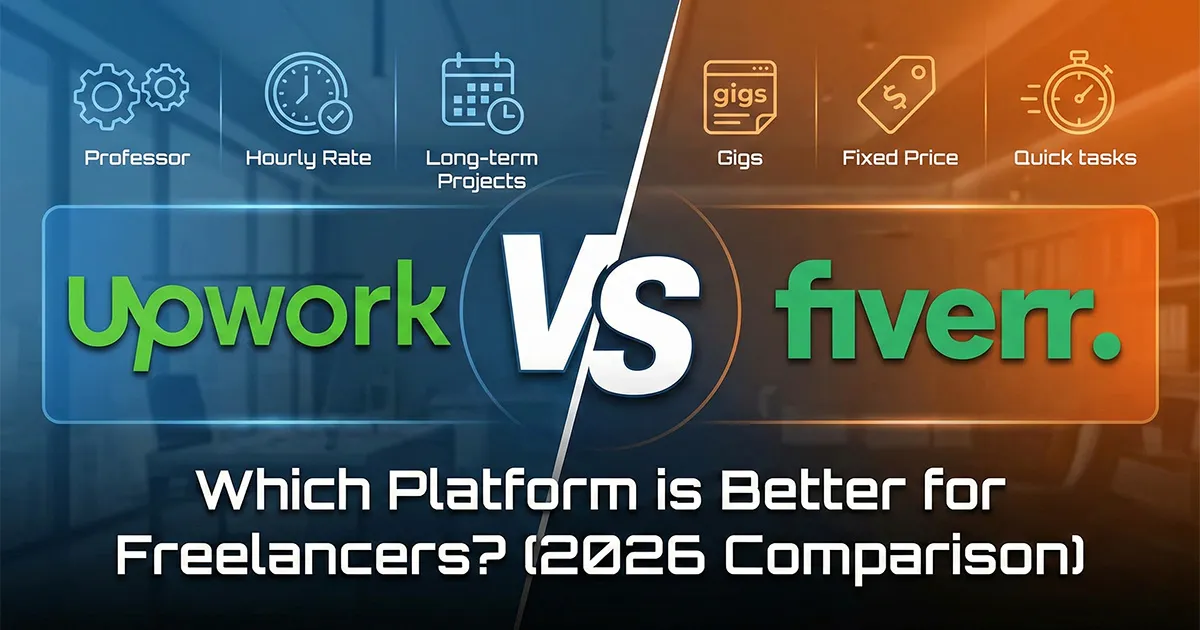
Where to find them: Upwork, Fiverr, Toptal, or LinkedIn.
2. Hiring a Web Development Agency
-
Best for: Large enterprises, complex platforms requiring strict SLAs.
-
Pros: You get a whole team (designer, tester, developer, project manager). Reliability is high.
-
Cons: High cost (often 3x-5x freelance rates) and slower turnaround times due to bureaucracy.
Verdict: For most small-to-medium businesses in 2026, hiring a dedicated freelance developer or a small team is the most cost-effective route.
Step 4: Where to Find Top Web Developers
Stop looking on Craigslist. To find professional talent, you need to go where the professionals hang out.
-
Upwork & Fiverr: Great for viewing portfolios and ratings. Look for "Top Rated" or "Pro" badges.
-
GitHub: If you are technical, look at developers' actual code repositories.
-
LinkedIn: Search for specific skills like "Laravel Developer" or "React Expert."
-
Niche Communities: Sites like Stack Overflow or Reddit (r/forhire) can be goldmines for hidden talent.
Step 5: How to Vet a Web Developer (Non-Technical Guide)
You don't need to know how to code to check if someone is good. Use this 3-step vetting process:
1. Check the Portfolio (Look for Function, Not Just Pretty Pictures)
Don't just look at screenshots. Ask for live links. Click around. Is the site fast? Does it work on your mobile phone? A pretty site that loads slowly is useless.
2. Read Client Reviews Carefully
Look for comments about communication. A genius coder who ghosts you for three days is a liability. You want keywords like "responsive," "explained things well," and "met deadlines."
3. The "Soft Skills" Test
Send them a message before hiring.
-
Do they ask questions about your business goals? (Good sign)
-
Do they just say "I can do it, hire me"? (Red flag)
Great developers act like partners, not just order-takers.
Step 6: The Interview (Questions to Ask)
When you get on a call, ask these specific questions to separate the pros from the amateurs.
-
"Can you show me a similar project you’ve built?"
-
Why ask this: Past performance predicts future results.
-
-
"How do you handle SEO and site speed?"
-
Why ask this: A site that doesn't rank on Google is a waste of money. They should mention things like "clean code," "image optimization," or "mobile-first design."
-
-
"Will I own the source code after the project is done?"
-
Why ask this: Crucial. You must own your website. Never hire a developer who holds your code hostage.
-
-
"What happens if something breaks after the launch?"
-
Why ask this: You need to know their support policy. Do they offer a 30-day bug fix guarantee?
-
Step 7: Discussing Cost and Budget
"How much does it cost to hire a web developer?"
The answer varies, but here are the average market rates (hourly) for 2026:
-
Junior Developer: $15 - $30/hour (Good for simple updates).
-
Mid-Level Developer: $35 - $75/hour (Best for building standard websites).
-
Senior/Expert Developer: $80 - $150+/hour (Required for complex custom apps).
Fixed Price vs. Hourly: For a well-defined project (like "Build a 5-page business site"), go with Fixed Price. You know exactly what you will pay. For ongoing work or vague ideas, go with Hourly, but set a weekly cap to control costs.
Conclusion: Start Small, Then Scale
Hiring a web developer doesn't have to be a nightmare. The secret is preparation. If you know what you want and ask the right questions, you will find a developer who can transform your business.
Ready to start? Don't rush. Draft your project scope today, and start browsing profiles on platforms like Upwork or LinkedIn. Your perfect development partner is out there—you just need the right map to find them.